

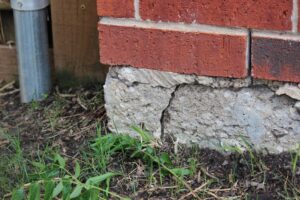
 Climate change is not just an environmental issue; it also presents a monetary challenge to rental property investors. The long-term maintenance expenses of buildings are climbing because of the heightened occurrence of severe conditions, changing climate trends, and prolonged seasonal stress. The present climate impact on rentals is accelerating the wear on roofs, HVAC systems, foundations, and exteriors, making maintenance related to climate an essential aspect of protecting your property and planning for the future.
Climate Impact on Rentals & Why Investors Can’t Ignore the Shift
Rental property maintenance exhibited relatively predictable patterns for many years. This is especially accurate for seasonal maintenance, which can be carried out at roughly the same time annually. At present, our climate is experiencing a swift alteration, as are those beliefs. Extreme weather and other climate shifts are changing how often rental properties need repairs, how long major systems can last, and how much investors must budget for regular upkeep.
The climate impact that rentals face is not limited to one disastrous event, which could be the most challenging part of this scenario. It is evident in the form of cumulative stress over time: increasingly hotter summers, more intense rainfall, stronger storms, and varying winter temperatures that slowly yet steadily lead to increased wear and maintenance costs.
This results in the following for rental property owners:
- Quicker replacement cycles for critical systems
- More frequent inspections and preventative repairs
- Increased long-term operating expenses (in the event that planning remains unchanged)
Unluckily, neglecting changing climate trends can slowly reduce a portfolio’s profitability. As a result, it is crucial for investors to begin strategizing now to mitigate the impact our changing climate will have on their financial outcomes.
Key Climate-Driven Maintenance Challenges
If we consider how climate and the environment impact rental properties, it becomes evident that our property exteriors are the initial ones to show signs of increasing wear. Nonetheless, major systems are also vulnerable to climate change trends. Some of the key maintenance challenges that investors ought to recognize consist of:
- Heavier Rainfall and Flood Risk: The extra strain is imposed on rooftops, gutters, drainage systems, and foundations due to increased rainfall. Moisture intrusion can happen in buildings that are outside flood areas, leading to structural concerns, timber decay, and mold that raise maintenance costs.
- Rising Temperatures and Heat Stress: Warmer summers require HVAC systems to work longer and harder. The frequency of replacements and repairs is also heightened by the swift deterioration of roofing components, sealants, and outer coatings due to prolonged heat and UV exposure.
- Colder Extremes and Freeze-Thaw Cycles: In icy areas, repeated freeze-thaw cycles result from varying temperatures. This leads to costly and disruptive restorations, such as frozen or burst pipes, harmed masonry, and fractured concrete.
- Increased Storm Intensity and Wind Damage: The probability of outside harm, shattered windows, fencing problems, and toppled trees rises during stronger storms. Financial movement continues to be affected by out-of-pocket expenses and non-reimbursed fixes, even when insurance covers major events.
The rapid wear and tear and hastened aging process of building materials stem from the heightened stress of climate change, which is triggered by these and other climate-related events. The longevity of mechanical systems is exceeded sooner than expected, exterior coatings deteriorate at a faster pace, and roofs are aging more rapidly.
As time progresses, this accelerated wear compounds costs. What once required maintenance every 10 to 15 years may now need attention much sooner, affecting long-term budgeting and investment return forecasts.
Real Estate Climate Upkeep Strategies That Protect ROI
A responsive approach to repair and maintenance turns out to be considerably more expensive in a climate-stressed environment. Emergency repairs, off-hours work, and tenant relocation are all hidden expenses that impact profits.
On the other hand, preventive maintenance establishes predictability. Property owners can extend and stabilize operating expenses despite shifting circumstances by quickly resolving minor problems.
In truth, a wise approach to real estate climate maintenance highlights avoidance and durability. Given this, perceptive investors are progressively highlighting:
- More frequent inspections of high-risk areas
- Climate-appropriate materials and upgrades
- Enhanced drainage, ventilation, and insulation
- Timely repairs to prevent the escalation of weather-related issues
These approaches can be utilized together to help control costs and reduce surprise expenses.
Climate Trends Are a Maintenance Reality, Not a Future Problem
The long-term maintenance costs of rental properties are already being affected by the climate-related impact. Investors who acknowledge this shift promptly and adopt strategies accordingly will be more successful in protecting and preserving the value and cash flows of their assets. This is due to the fact that climate-aware maintenance is essential, not merely a choice.
Maintenance planning at Real Property Management MidTown is guided by current realities, rather than bygone assumptions. Your local experts in Fort Worth and those in the area are ready to offer support. Contact us online today or call 817-583-6121 to discover how our forward-thinking, climate-aware maintenance methods help rental property investors plan with assurance.
This content is provided for general informational and educational purposes only and does not constitute financial, legal, tax, or investment advice. Readers should consult with licensed professionals regarding their specific circumstances.
We are pledged to the letter and spirit of U.S. policy for the achievement of equal housing opportunity throughout the Nation. See Equal Housing Opportunity Statement for more information.
